- English
- Español
- Português
- русский
- Français
- 日本語
- Deutsch
- tiếng Việt
- Italiano
- Nederlands
- ภาษาไทย
- Polski
- 한국어
- Svenska
- magyar
- Malay
- বাংলা ভাষার
- Dansk
- Suomi
- हिन्दी
- Pilipino
- Türkçe
- Gaeilge
- العربية
- Indonesia
- Norsk
- تمل
- český
- ελληνικά
- український
- Javanese
- فارسی
- தமிழ்
- తెలుగు
- नेपाली
- Burmese
- български
- ລາວ
- Latine
- Қазақша
- Euskal
- Azərbaycan
- Slovenský jazyk
- Македонски
- Lietuvos
- Eesti Keel
- Română
- Slovenski
- मराठी
- Srpski језик

How Can 24kw Condensing Heat Exchanger Improve Energy System Efficiency?
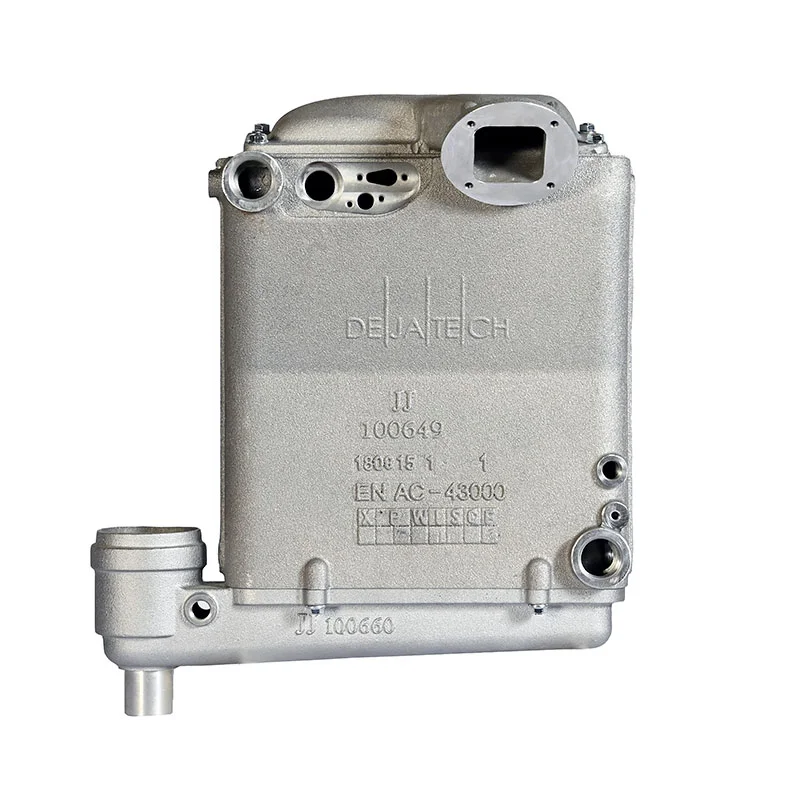
As global industries continue to focus on energy efficiency and sustainable development, thermal management technology has become an important part of modern industrial equipment. A 24kw Condensing Heat Exchanger provides an effective solution for applications that require reliable heat recovery, stable operation, and optimized energy utilization. With advanced engineering design and precise manufacturing processes, this type of component supports the development of efficient heating and energy systems across different industries.
The Role of Advanced Thermal Components in Modern Industries
Industrial equipment is becoming increasingly complex, creating higher requirements for heat transfer performance and system reliability. Thermal components must provide consistent operation while adapting to different working environments, material requirements, and application conditions. Efficient heat exchange solutions help reduce energy loss, improve equipment performance, and support long term operational stability.
Condensing technology has become an important direction in energy saving applications. By recovering heat from exhaust or working fluids, advanced systems can improve overall energy utilization. This technology is widely used in heating equipment, industrial facilities, energy systems, and other applications where thermal efficiency is a key consideration.
Why Efficient Heat Transfer Design Matters
The performance of a thermal system depends on the quality of its internal components. Engineers need to consider material properties, structural design, corrosion resistance, and manufacturing accuracy during product development. A well designed component can maintain stable heat transfer performance while reducing maintenance requirements.
Aluminum casting technology provides advantages for complex industrial components because of its lightweight characteristics, good thermal conductivity, and flexible design possibilities. Through advanced casting processes, manufacturers can create structures that meet demanding application requirements while maintaining consistent product quality.
| Industrial Field | Technical Requirements | Application Value |
|---|---|---|
| Energy Equipment | Efficient heat transfer and reliable operation | Supports improved energy utilization |
| Transportation Systems | Lightweight structure and durable performance | Helps maintain stable equipment function |
| Industrial Machinery | Precision manufacturing and strong adaptability | Improves equipment service performance |
| Engineering Applications | Customized design and material reliability | Meets different project requirements |
Manufacturing Technology Supports Better Thermal Solutions
The development of modern thermal equipment relies on continuous improvement in manufacturing technology. From product design to final inspection, every production stage affects the reliability and efficiency of industrial components. Manufacturers with strong technical capabilities can provide solutions that combine structural strength, heat transfer efficiency, and long term durability.
The production of a 24kw Condensing Heat Exchanger requires professional engineering knowledge and strict process management. Advanced aluminum casting methods allow manufacturers to produce complex structures with excellent dimensional consistency. This helps ensure that components can integrate effectively into different equipment systems.
Quality control is also a critical part of industrial manufacturing. Professional factories usually establish complete inspection procedures covering material analysis, casting quality, surface treatment, and performance testing. These processes help identify potential issues and maintain stable product standards throughout production.
Key Factors Influencing Product Reliability
Several elements determine the performance of industrial thermal components. Material selection is one of the most important factors because different applications require different levels of strength, thermal conductivity, and environmental resistance. Aluminum alloys are often selected for applications that require lightweight structures and efficient heat transfer capabilities.
Manufacturing experience also plays an important role in product development. Experienced engineers can optimize designs according to practical operating conditions and provide technical solutions that improve system compatibility. Continuous improvement in production methods helps manufacturers respond to changing industrial requirements.
- Advanced casting technology for complex structures
- Professional engineering support for industrial applications
- Strict quality management throughout manufacturing processes
- Flexible solutions for different equipment requirements
Growing Demand for Sustainable Energy Equipment
The transition toward sustainable energy has encouraged industries to adopt more efficient equipment and technologies. Energy conservation is becoming an important consideration in manufacturing, construction, transportation, and industrial production. Thermal management systems with improved efficiency can contribute to reduced resource consumption and better overall performance.
Modern energy equipment requires components that can operate reliably under continuous working conditions. The demand for advanced heat transfer technology is increasing as companies seek solutions that balance efficiency, durability, and environmental responsibility.
In addition to energy applications, thermal components are also used in automotive systems, railway equipment, hydraulic machinery, medical equipment, and engineering projects. These diverse applications demonstrate the importance of reliable manufacturing capabilities and adaptable product designs.
Future Development of Industrial Heat Transfer Technology
Future industrial development will continue to emphasize intelligent manufacturing, material innovation, and energy efficiency. Manufacturers are exploring new production methods to improve product performance while maintaining sustainable manufacturing practices.
Digital production management and advanced testing technologies are also changing the industrial manufacturing process. Better monitoring systems allow manufacturers to improve consistency, optimize production efficiency, and provide more dependable solutions for global markets.
As industries continue upgrading their equipment, thermal management components will remain an essential part of energy systems. Companies with strong engineering expertise and manufacturing experience will play an important role in supporting future industrial innovation.
Global Manufacturing Experience for Industrial Applications
Zhejiang HEC Machinery is the fourth factory of JJ Group and specializes in complex aluminum casting solutions for global industries. Located in Taizhou, Zhejiang Province, the company focuses on developing high quality components for energy, automotive, railway, machinery, construction, hydraulic, and other professional fields.
With extensive experience in aluminum casting technology, Zhejiang HEC Machinery provides reliable manufacturing solutions for applications requiring precision structures and stable performance. The company has developed strong capabilities in product development, production management, assembly support, and testing services.
Zhejiang HEC Machinery has established international cooperation with companies across different markets and continues to improve its manufacturing services through professional technology and quality management. With global service capabilities and a commitment to engineering excellence, the company delivers dependable thermal solutions that support modern industrial development.
Supporting Efficient Industrial Development Through Professional Manufacturing
The continuous advancement of energy and industrial technologies requires manufacturers to provide components with higher efficiency, reliability, and adaptability. Advanced thermal solutions help industries improve equipment performance while supporting sustainable development goals.
Through innovative manufacturing processes and years of industry experience, Zhejiang HEC Machinery continues to create value for customers worldwide. The company’s expertise in complex aluminum casting and international service network make it a trusted partner for industrial applications requiring professional thermal component solutions.