Condensing heat exchangers have become an essential solution for industries seeking higher thermal efficiency, lower fuel consumption, and reduced operating costs. By recovering latent heat from exhaust gases, these advanced systems significantly improve energy utilization compared to traditional heat exchangers. In this article, Zhejiang HEC Machinery explains how condensing heat exchangers work, their advantages, common industrial applications, maintenance considerations, and how businesses can choose the right system for long-term performance.
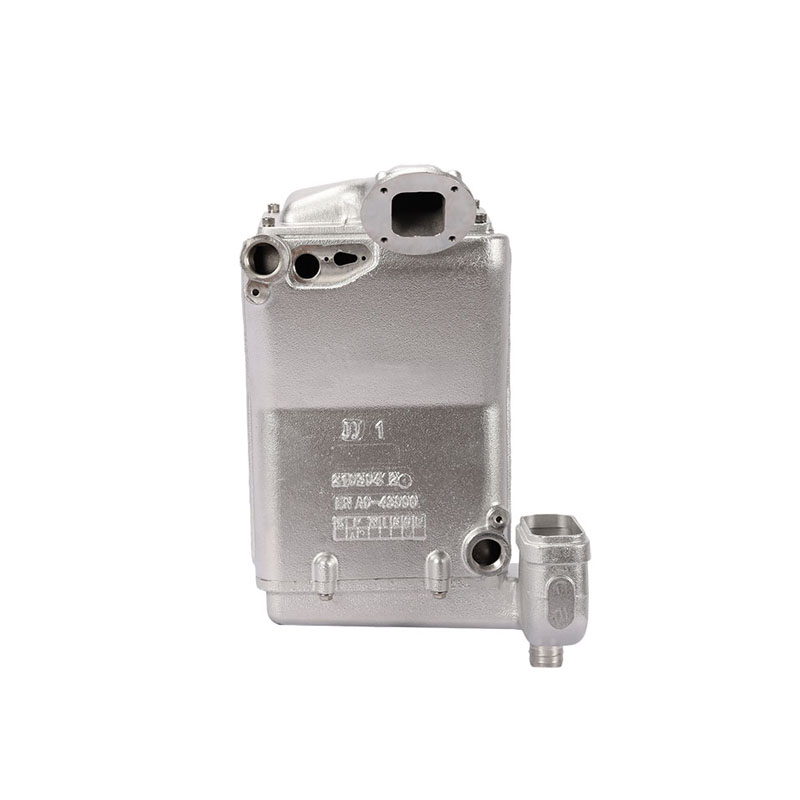
What Is a Condensing Heat Exchanger?
A condensing heat exchanger is a high-efficiency thermal transfer device designed to recover additional heat from combustion exhaust gases. Unlike conventional systems that release hot flue gases into the atmosphere, condensing technology captures both sensible heat and latent heat generated by water vapor condensation.
When fuel burns, water vapor is produced in the exhaust stream. Traditional heat exchangers allow this vapor to escape, wasting a large amount of recoverable energy. A condensing heat exchanger cools exhaust gases below the dew point, causing the vapor to condense into liquid water while releasing extra heat energy that can be reused within the system.
This process dramatically improves overall thermal efficiency and reduces energy waste in industrial heating systems.
How Does a Condensing Heat Exchanger Work?
The operating principle of a condensing heat exchanger is based on maximizing heat recovery from combustion gases.
-
Fuel Combustion: Fuel is burned to generate heat energy.
-
Heat Transfer Process: Hot gases pass through the heat exchanger surface, transferring heat to water or another fluid.
-
Cooling Exhaust Gases: Exhaust temperatures are reduced below the vapor dew point.
-
Condensation Stage: Water vapor condenses into liquid, releasing latent heat.
-
Energy Recovery: The recovered heat is reused to preheat return water or support industrial processes.
This advanced thermal recovery process enables efficiency levels significantly higher than conventional heat exchange systems.
Important Note: Condensing heat exchangers are especially effective in systems with lower return water temperatures, allowing maximum condensation and heat recovery.
Key Benefits of Condensing Heat Exchangers
Industries around the world are adopting condensing heat exchanger technology because of its substantial operational and environmental advantages.
Higher Thermal Efficiency
By recovering latent heat from exhaust gases, condensing systems achieve much higher efficiency compared to standard heat exchangers.
Lower Energy Consumption
Improved heat recovery means less fuel is required to maintain desired operating temperatures.
Reduced Operating Costs
Lower fuel consumption directly translates into long-term savings for industrial facilities.
Lower Emissions
Improved combustion efficiency reduces greenhouse gas emissions and supports sustainability goals.
For industries operating boilers, furnaces, or thermal processing systems continuously, the energy savings can be substantial over time.
Industrial Applications
Condensing heat exchangers are widely used across multiple industries due to their energy-saving capabilities and thermal reliability.
|
Industry
|
Application
|
|
Power Generation
|
Waste heat recovery and boiler efficiency improvement
|
|
Chemical Processing
|
Process heating and thermal energy optimization
|
|
Food Processing
|
Steam generation and production line heating
|
|
HVAC Systems
|
Commercial and industrial heating systems
|
|
Textile Industry
|
Temperature control and energy-efficient heating
|
Modern manufacturing facilities increasingly integrate condensing heat exchangers to reduce energy waste and improve system performance.
Traditional vs Condensing Heat Exchanger
|
Feature
|
Traditional Heat Exchanger
|
Condensing Heat Exchanger
|
|
Heat Recovery
|
Sensible Heat Only
|
Sensible + Latent Heat
|
|
Energy Efficiency
|
Moderate
|
Very High
|
|
Fuel Consumption
|
Higher
|
Lower
|
|
Exhaust Temperature
|
Higher
|
Lower
|
|
Environmental Impact
|
Higher Emissions
|
Reduced Emissions
|
How to Choose the Right Condensing Heat Exchanger
Selecting the right condensing heat exchanger requires evaluating multiple operational factors.
-
Thermal Capacity: Ensure the system can handle the required heating load.
-
Material Selection: Corrosion-resistant materials such as stainless steel are ideal for condensate exposure.
-
Operating Temperature: Lower return water temperatures improve condensation efficiency.
-
System Compatibility: Verify compatibility with existing boilers or heating systems.
-
Maintenance Accessibility: Easy cleaning and inspection reduce downtime.
Zhejiang HEC Machinery provides customized condensing heat exchanger solutions designed for industrial reliability, durability, and long-term thermal performance.
Maintenance Tips for Long-Term Performance
Proper maintenance is essential to ensure stable operation and maximum efficiency.
-
Inspect heat transfer surfaces regularly for fouling or corrosion.
-
Clean condensate drainage systems to prevent blockage.
-
Monitor exhaust temperatures for efficiency changes.
-
Check seals and connections to avoid leakage.
-
Perform periodic system performance testing.
Routine inspection and preventive maintenance can significantly extend equipment lifespan while maintaining optimal heat recovery performance.
FAQ
Can condensing heat exchangers reduce fuel costs?
Yes. By recovering additional heat from exhaust gases, condensing systems improve energy utilization and reduce overall fuel consumption.
What materials are commonly used in condensing heat exchangers?
Stainless steel is commonly used because it offers strong corrosion resistance against acidic condensate.
Are condensing heat exchangers suitable for industrial boilers?
Absolutely. They are widely integrated into industrial boiler systems to maximize efficiency and reduce operating expenses.
Do condensing heat exchangers require special maintenance?
They require regular inspection and condensate management, but maintenance is generally straightforward when performed routinely.
Conclusion
Condensing heat exchangers represent a major advancement in industrial heating efficiency. By recovering latent heat from exhaust gases, these systems help businesses lower fuel consumption, reduce emissions, and improve overall operational performance.
As industries continue focusing on energy optimization and cost reduction, condensing heat exchangers are becoming an increasingly valuable investment for modern heating systems.
Zhejiang HEC Machinery is committed to providing high-quality condensing heat exchanger solutions tailored to various industrial applications. If you are looking for reliable thermal equipment with outstanding energy efficiency and long-term durability, contact us today to discuss your project requirements and discover the ideal solution for your business.