- English
- Español
- Português
- русский
- Français
- 日本語
- Deutsch
- tiếng Việt
- Italiano
- Nederlands
- ภาษาไทย
- Polski
- 한국어
- Svenska
- magyar
- Malay
- বাংলা ভাষার
- Dansk
- Suomi
- हिन्दी
- Pilipino
- Türkçe
- Gaeilge
- العربية
- Indonesia
- Norsk
- تمل
- český
- ελληνικά
- український
- Javanese
- فارسی
- தமிழ்
- తెలుగు
- नेपाली
- Burmese
- български
- ລາວ
- Latine
- Қазақша
- Euskal
- Azərbaycan
- Slovenský jazyk
- Македонски
- Lietuvos
- Eesti Keel
- Română
- Slovenski
- मराठी
- Srpski језик

How Does a Belt Pulley Optimize Mechanical Transmission?
Article Summary
Belt pulleys are fundamental components in mechanical systems, enabling efficient power transmission between shafts. They are widely used in industrial machinery, automotive engines, conveyor systems, and other mechanical setups. This comprehensive guide explores how belt pulleys function, the factors to consider when selecting and maintaining them, and common challenges manufacturers face. By understanding these elements, businesses can improve system efficiency, reduce wear and tear, and ensure long-lasting performance. Zhejiang HEC Machinery provides high-quality belt pulley solutions for diverse industrial applications.
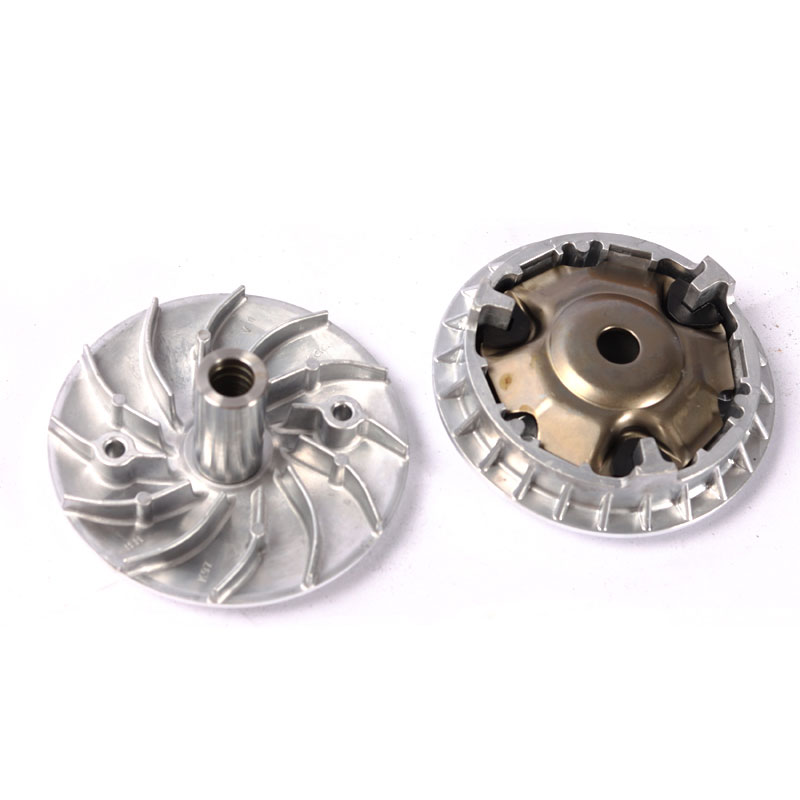
Table of Contents
- Belt Pulley Overview
- Common Customer Challenges
- Types of Belt Pulleys
- How to Choose the Right Belt Pulley
- Installation and Alignment Considerations
- Belt Pulley Comparison Table
- Maintenance and Lifespan Optimization
- Application Scenarios
- Frequently Asked Questions
- Conclusion and Contact Us
Belt Pulley Overview
A belt pulley is a wheel with a grooved rim designed to transmit mechanical power via belts connecting shafts. The pulley reduces friction, distributes load efficiently, and allows for flexible speed adjustments between driving and driven components. Properly designed pulleys can significantly enhance the operational efficiency of a mechanical system, reduce vibration, and prolong component life. Zhejiang HEC Machinery specializes in producing durable, precision-engineered belt pulleys suitable for various industrial applications.
Common Customer Challenges
Customers often encounter challenges that reduce system performance or increase maintenance costs. Understanding these issues helps in choosing and maintaining the correct pulley solution.
- Slippage between the belt and pulley due to improper tension or surface finish
- Premature wear of belts or pulley grooves
- Misalignment causing vibration and noise
- Material fatigue under high-load or high-speed conditions
- Difficulty in selecting the correct diameter, groove type, or material
Zhejiang HEC Machinery addresses these challenges by offering pulleys with precision machining, optimized groove profiles, and high-strength materials.
Types of Belt Pulleys
Belt pulleys vary depending on the application, belt type, and load requirements. Key types include:
- V-Belt Pulleys – Most common type, provides high torque transfer, suitable for general industrial machinery
- Flat Belt Pulleys – Used for light-load applications and high-speed transmission, offers smooth operation
- Timing Pulleys – Used with toothed belts for synchronized motion and precise speed control
- Step Pulleys – Allow speed variation in mechanical systems, often used in lathes and drill presses
- Multi-Groove Pulleys – Provide higher torque capacity and better grip for heavy-duty applications
How to Choose the Right Belt Pulley
Selecting the correct belt pulley requires evaluating multiple technical and operational factors:
- Type of belt and its compatibility with pulley grooves
- Required torque and speed ratio between shafts
- Material strength and resistance to wear or corrosion
- Pulley diameter and width suitable for load and belt tension
- Environmental factors such as temperature, humidity, and exposure to chemicals
Zhejiang HEC Machinery provides expert consultation to help clients select pulleys tailored to their mechanical system requirements.
Installation and Alignment Considerations
Proper installation is essential for optimal pulley performance. Key considerations include:
- Ensuring shaft alignment to prevent vibration and uneven wear
- Correct belt tension to avoid slippage and reduce stress on bearings
- Lubrication of associated bearings if required
- Regular inspection for cracks, deformation, or groove wear
Following these guidelines extends the lifespan of both pulleys and belts while maintaining consistent system efficiency.
Belt Pulley Comparison Table
| Pulley Type | Suitable Belt | Key Advantages | Typical Applications |
|---|---|---|---|
| V-Belt | V-Belt | High torque transfer, compact design | Industrial machinery, compressors |
| Flat Belt | Flat Belt | Quiet, smooth operation, high speed | Conveyors, light machinery |
| Timing | Toothed Belt | Precise motion control, no slippage | CNC machines, robotics |
| Step | Flat or V-Belt | Variable speed, flexible operation | Lathes, drill presses |
Maintenance and Lifespan Optimization
Maintaining belt pulleys is critical for uninterrupted mechanical operation. Key strategies include:
- Regular inspection of pulley surfaces for wear or corrosion
- Monitoring belt tension and adjusting when necessary
- Cleaning pulleys to remove dust, grease, or debris
- Replacing worn or damaged belts promptly
- Using pulleys made from high-quality materials, such as those from Zhejiang HEC Machinery, to ensure longevity
Application Scenarios
Belt pulleys are versatile and used across numerous industries:
- Industrial machinery and production lines
- Conveyor systems in warehouses and logistics
- Automotive engine components
- Agricultural machinery
- Custom mechanical solutions requiring torque transmission
Frequently Asked Questions
What causes belt slippage on a pulley?
Slippage usually occurs due to incorrect belt tension, worn grooves, or incompatible pulley and belt types.
How often should pulleys be inspected?
Inspection frequency depends on operating conditions, but routine checks every 3–6 months are recommended for industrial systems.
Can one pulley type suit multiple applications?
While some pulleys are versatile, selecting the correct type ensures optimal torque transfer, durability, and efficiency.
How to extend the lifespan of a belt pulley?
Proper alignment, regular maintenance, correct belt tension, and high-quality materials like those provided by Zhejiang HEC Machinery enhance longevity.
Conclusion and Contact Us
Belt pulleys are essential for efficient mechanical power transmission. Choosing the right type, installing it correctly, and performing regular maintenance ensures optimal system performance, reduced downtime, and cost savings. Zhejiang HEC Machinery offers durable, high-performance belt pulleys designed for diverse industrial applications. For inquiries about our products or technical support on selecting the ideal belt pulley for your system, contact us today and experience reliable solutions tailored to your operational needs.